Dependable Auto Repair: Sustaining Your Vehicle in Prime Condition
A reputable auto repair service plays an vital role in maintaining a vehicle's condition and lifespan. Periodic maintenance helps recognize issues in a timely manner, thwarting costly repairs down the line. Appointing the suitable mechanic can greatly impact the quality of service and work a vehicle experiences. Understanding fundamental maintenance and the significance of preventive maintenance is paramount for every car owner. What are the warning signs that a vehicle requires service, and how can one confirm they are choosing wisely?
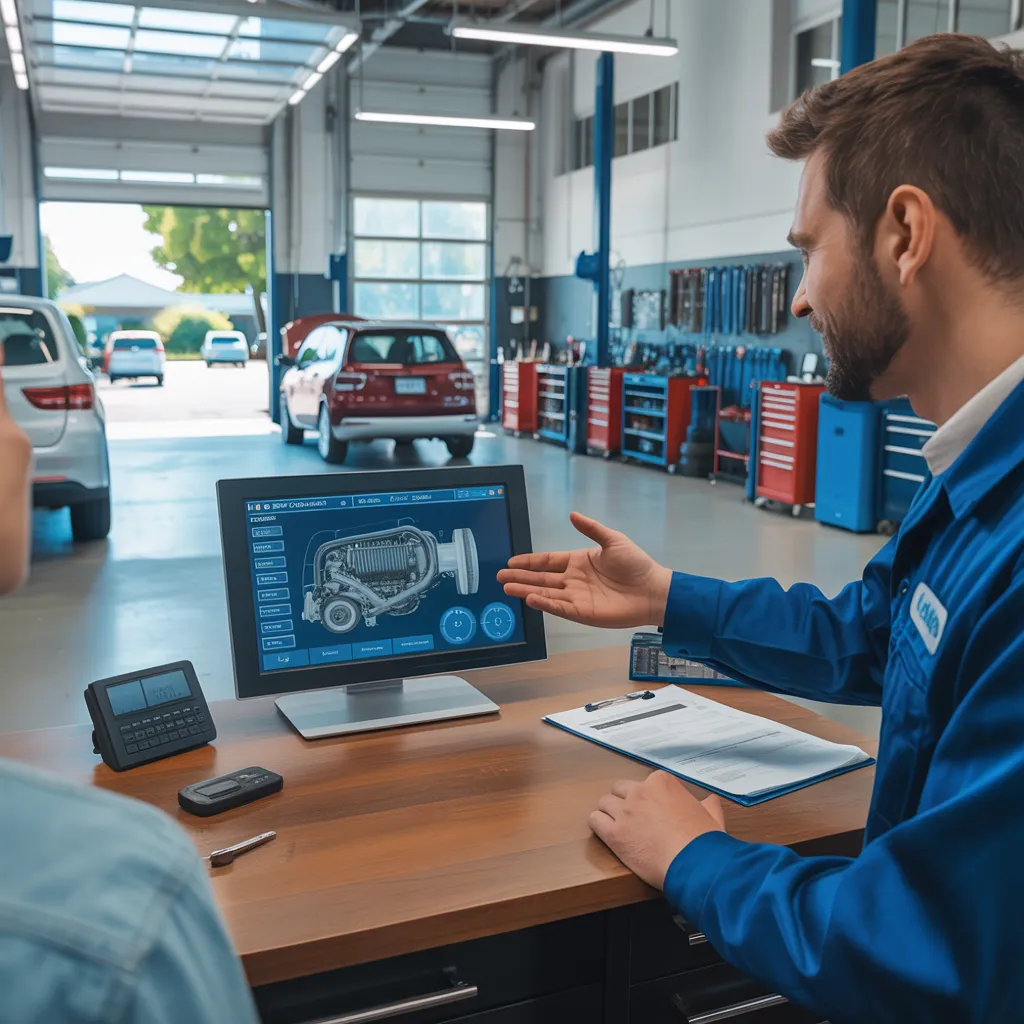
Why Consistent Service Is Essential for Your Automobile
Keeping up with regular maintenance is crucial for every vehicle, because it not only lengthens the lifespan of the car but also provides optimal performance. Routine checks, such as oil changes, tire rotations, and brake inspections, allow detection of potential problems before they become expensive repairs. Vehicles that are well-maintained run better, leading to greater fuel economy and lower emissions. Moreover, regular servicing ensures that safety features function properly, protecting both the driver and passengers.
Neglecting maintenance can create major challenges, frequently producing malfunctions or weakened dependability. By sticking to a regular valuable guide maintenance timetable, car owners can secure their purchase and increase market value. In addition, numerous makers require regular service to sustain protection coverage. In the end, emphasizing maintenance encourages a more secure driving experience while advancing longevity and performance, making it an critical practice for all vehicle owners.
Signs Your Vehicle Needs Urgent Repair?
If a car shows unusual noises when in motion, it could represent a serious issue that calls for prompt response. Likewise, caution indicators that are illuminated on the display panel provide critical alerts regarding potential problems. Liquid drips observed under the vehicle similarly point to the requirement for rapid repair to circumvent expanded deterioration.
Strange Noises During Vehicle Operation
In what methods can motorists tell if their car is experiencing distress? One vital indicator is the presence of unusual noises while operating. These sounds typically signal hidden issues that demand immediate attention. As an example, a grinding or squeaking noise may suggest brake issues, while a knocking sound might suggest engine trouble. A high-pitched whistle could indicate transmission or serpentine belt problems. Drivers must also notice any rumbling or thumping, which may signify tire or suspension issues. Disregarding these noises can cause more severe damage and costly repairs. Therefore, it is crucial for drivers to stay vigilant and obtain professional support when they detect any abnormal sounds during their journeys.
Warning Lights Illuminated
Warning lights on a vehicle's dashboard serve as crucial indicators of potential issues that demand prompt action. Each light communicates important information about the vehicle's condition, ranging from minor concerns to serious malfunctions. For instance, the check engine light may suggest problems with the engine or emissions system, while the oil pressure light signifies a decrease in oil pressure, possibly causing to engine damage. Other lights, such as those for the battery or brakes, can signal urgent repairs that, if disregarded, might threaten safety. Drivers should not overlook these warnings; timely diagnostics and repairs can prevent further damage and guarantee the vehicle operates efficiently. Identifying and addressing these alerts is essential for preserving a reliable and safe vehicle.
Fluid Leaks Underneath Vehicle
Underneath a car, fluid leaks often signal that urgent attention is essential. Identifying the category of fluid can give insight into the extent of the issue. Common leaks are oil, coolant, brake fluid, and transmission fluid, each indicating different problems. For example, an oil leak may point to worn seals or parts, while coolant leaks could suggest a faulty radiator or hoses. Brake fluid leaks are particularly concerning, as they can affect vehicle safety. Drivers should examine any puddles or stains, noting color and consistency, to assist in diagnosis. Ignoring these leaks can result in more serious damage and costly repairs. Therefore, prompt intervention is necessary to ensure the vehicle operates without risk and properly.
How to Select the Right Mechanic for Your Requirements
Choosing the best mechanic may feel overwhelming; still, making an educated decision is crucial for vehicle maintenance and repair. Initially, one ought to request recommendations from friends, family, or online reviews, since personal experiences tend to provide valuable insights. Checking a mechanic’s credentials is critical; certifications from respected organizations reflect a level of expertise and professionalism.
Next, potential customers should examine the shop's specialty. Some technicians specialize in specific brands or types of vehicles, which can boost the quality of service. A visit to the facility can also reveal its cleanliness, structure, and customer service approach, all of which reflect the general standard of service.
Finally, obtaining estimates for services can help determine pricing fairness. Building a strong relationship with a mechanic may lead to a reliable lasting partnership, ensuring that car requirements are met efficiently and effectively.
Essential Solutions Offered by Reliable Auto Repair Shops
While many vehicle repair shops provide a range of services, trusted ones usually deliver vital maintenance and fix options that keep vehicles operating efficiently. These services frequently encompass routine oil change services, which are essential for engine health, and tire rotation services, ensuring even wear and extending tire lifespan. Trusted shops also conduct comprehensive inspections, identifying potential issues before they escalate into costly repairs.
Brake upkeep are indispensable, as they maintain performance and safety, while battery checks and replacements avert sudden mechanical failures. Additionally, radiator and cooling system maintenance prevents overheating, a common issue in many vehicles. Trusted auto repair shops also supply transmission services, vital for smooth gear shifts.
Lastly, they often offer diagnostic testing employing cutting-edge equipment to pinpoint issues precisely. By providing these essential services, reputable auto repair shops add significantly to car durability and reliability, building customer trust and satisfaction.
Best Practices for Maintaining Your Car's Efficiency
Managing a vehicle's performance requires maintenance of key components, such as regular oil changes and tire maintenance. Regular oil changes ensure the engine operates smoothly, while proper tire care improves safety and fuel efficiency. Together, these practices contribute considerably the longevity and reliability of any vehicle.
Regular Oil Changes
Routine oil changes are essential for peak car operation, as they ensure the engine runs smoothly and efficiently. Engine oil protects moving parts, decreasing friction and wear. Over time, oil becomes contaminated with dirt and debris, reducing its effectiveness. Neglecting oil changes can lead to increased engine wear, overheating, and potential damage. Most manufacturers recommend changing the oil every 3,000 to 7,500 miles, depending on the vehicle and oil type. Regularly checking oil levels and quality is also crucial. Using the correct oil grade specified in the owner's manual assures ideal performance. By adhering to a regular oil change schedule, vehicle owners can prolong engine life, enhance fuel efficiency, and maintain overall vehicle reliability.
Tire Service Recommendations
It is essential to ensure optimal tire maintenance for the best vehicle performance and safety. Regular checks of tire pressure are necessary; under-inflated tires can cause lower fuel efficiency and increased tire wear. Keeping proper tread depth is equally crucial, since lack of tread damages traction and handling. Rotating tires every 5,000 to 7,500 miles causes even wear, lengthening their lifespan. In addition, visual inspections to detect damage such as cracks or bulges should be frequently conducted. Wheel alignment aids in preventing uneven wear and improves steering response. Balancing tires reduces vibrations, contributing to a smoother ride. Adhering to these tire maintenance tips allows vehicle owners to significantly enhance both performance and safety when driving.
How Ongoing Maintenance Determines Automobile Service Costs
Preventive maintenance functions as a foundation for the durability and sturdiness of vehicles, significantly influencing the need for auto repair. Routine planned services like oil changes, tire rotations, and brake inspections spot potential problems before they become expensive repairs. By adhering to a preventive maintenance schedule, vehicle owners can avoid the chance of unexpected breakdowns and increase the longevity of vital components.
Moreover, preventive maintenance strengthens the vehicle's operational efficiency and fuel efficiency, enabling a smoother driving experience. Disregarding these essential services can lead to critical mechanical problems, generating extensive downtime and higher repair costs. Ultimately, a proactive approach to car upkeep not only guarantees safety but also facilitates long-term savings, making preventive maintenance an crucial aspect of ethical vehicle ownership.
What to Expect During Auto Repairs
After prioritizing preventive maintenance, vehicle owners may sometimes find themselves needing auto repairs. During the repair process, multiple important steps are usually involved. Initially, the technician will conduct a detailed inspection to identify the issue, pinpointing the underlying problem of the problem. Following this, the repair shop will give an estimate, outlining necessary repairs and parts required, guaranteeing transparency in costs.
Once authorization is provided, the technician will advance with the repairs, which may involve part substitution, fixing systems, or implementing adjustments. Throughout this process, feedback remains essential; many service providers will offer updates on development and any unexpected setbacks.
After completion, car proprietors should anticipate a thorough explanation of the work performed, along with recommendations for future maintenance. This guarantees that the vehicle remains in excellent shape, enhancing dependability and performance. Comprehending this procedure can reduce doubt and foster confidence between the owner and the service center.
Frequently Asked Questions
What is the ideal schedule for Tire rotation?
Tires should commonly be rotated every 5,000 to 7,500 miles, or as specified by the automaker. Habitual rotation enables balanced wear, maximizes tire life, and enhances overall vehicle stability and safety on the road.
Which Components get Protected Under a Vehicle Warranty?
A vehicle warranty usually covers material defects and workmanship issues, specific repairs, and replacement coverage for designated components. Protection depends upon automaker and may include engine and transmission, comprehensive, and corrosion warranties, each with distinct specifications and conditions.
Can I perform My Own upkeep?
Yes, people can perform their own maintenance on vehicles. However, they should ensure they follow manufacturer guidelines to avoid canceling warranties. Proper expertise and tools are essential for secure and effective vehicle upkeep.
How Do I Know if My Battery Requires Changing?
Your power cell could require changing if you notice indicators including sluggish engine starting, terminal oxidation, fading lights, or if it's over three years old. Checking voltage can also establish its health and longevity.
What Are Common Myths About Auto Maintenance?
Common false ideas about auto repair include beliefs that top-tier fuel is always better, all repairs are pricey, and manufacturers' warranties stop outside repairs. Misunderstandings can lead to unnecessary costs and hold-ups in maintaining vehicle performance.